If the Victorian Government can’t protect a frog site that’s signposted at both ends, how can we trust them with 1.2 million hectares of forests?
Burns planned for Snowy National Park
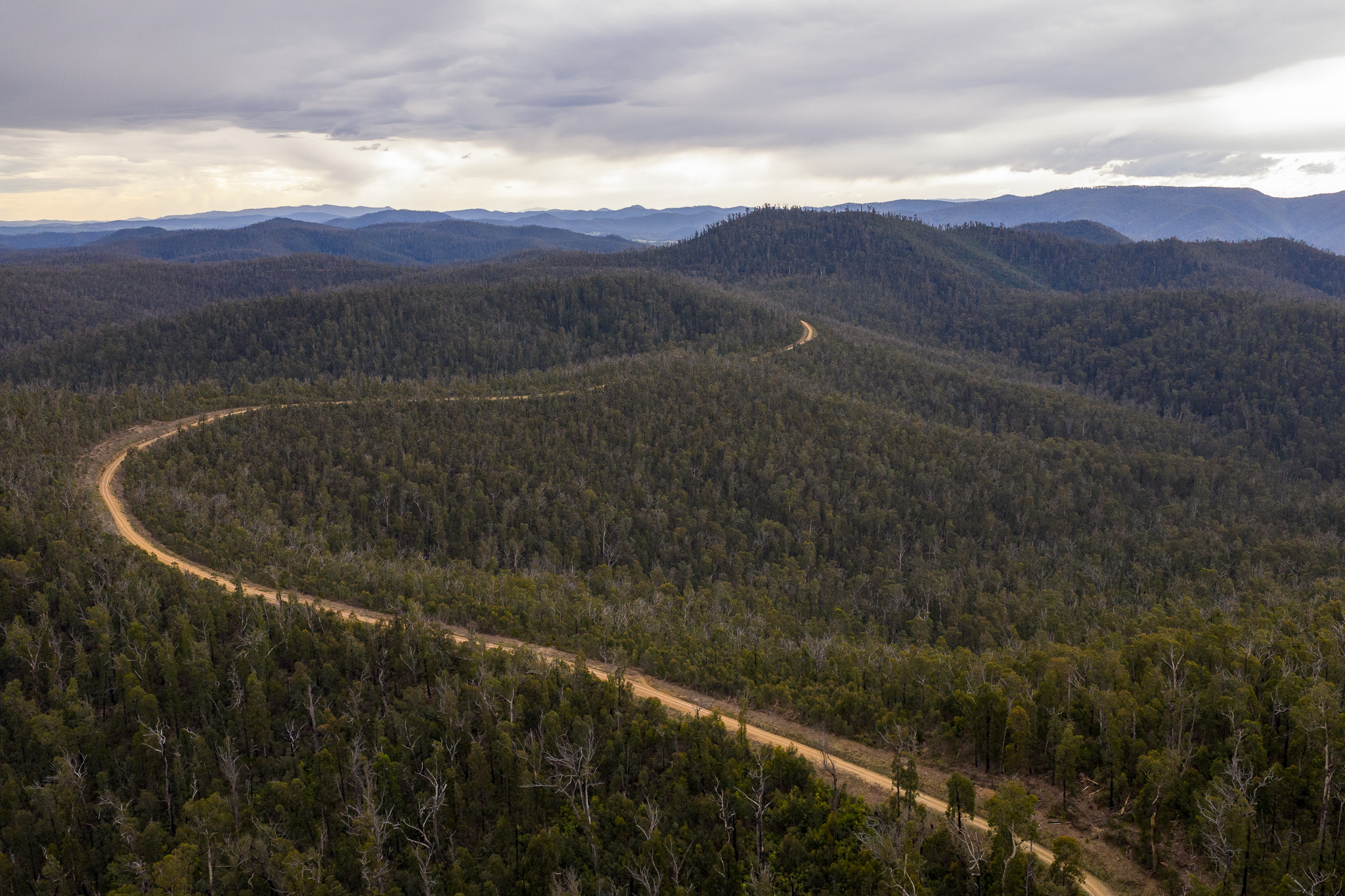
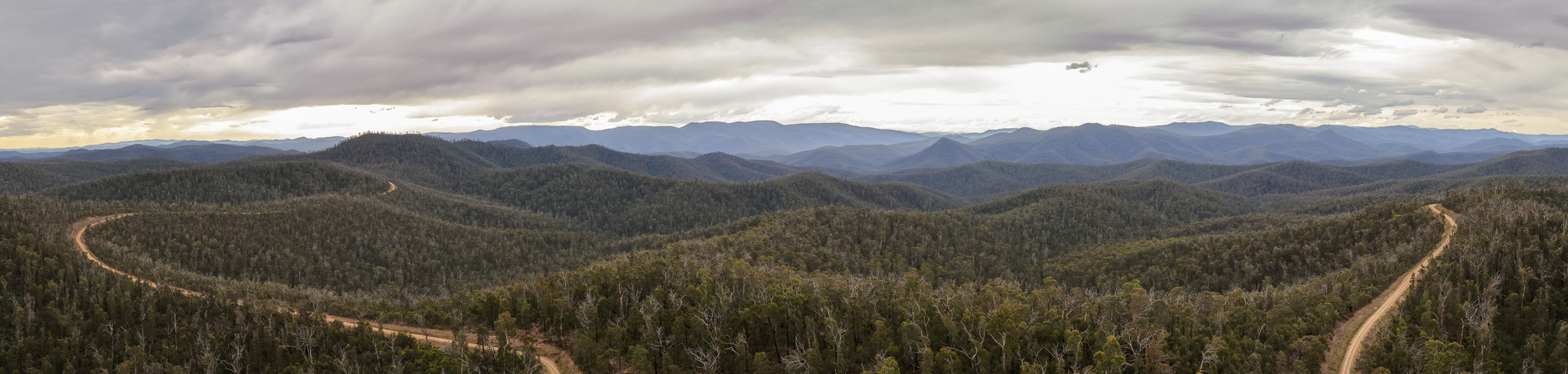
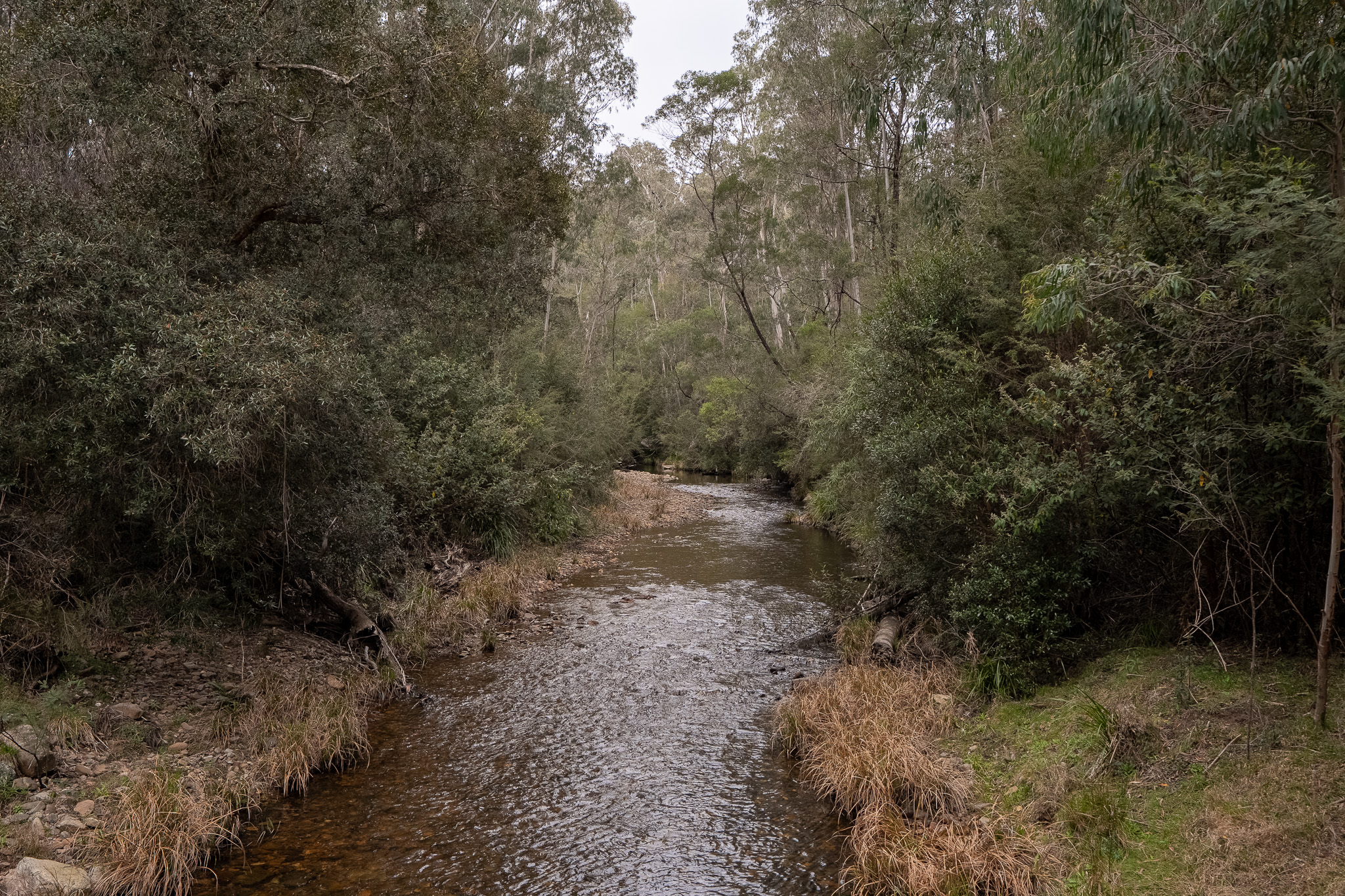
Right now, Forest Fire Management Victoria (FFMV) are preparing to burn 60,000 hectares inside the Snowy National Park.
That number might be hard to picture, so here’s some perspective: it’s bigger than the entire size of Wilsons Promontory National Park. And this isn’t just bush on the edge of town — it contains some of the most fire-sensitive and biodiverse forest in Victoria.
Inside this burn footprint are:
-
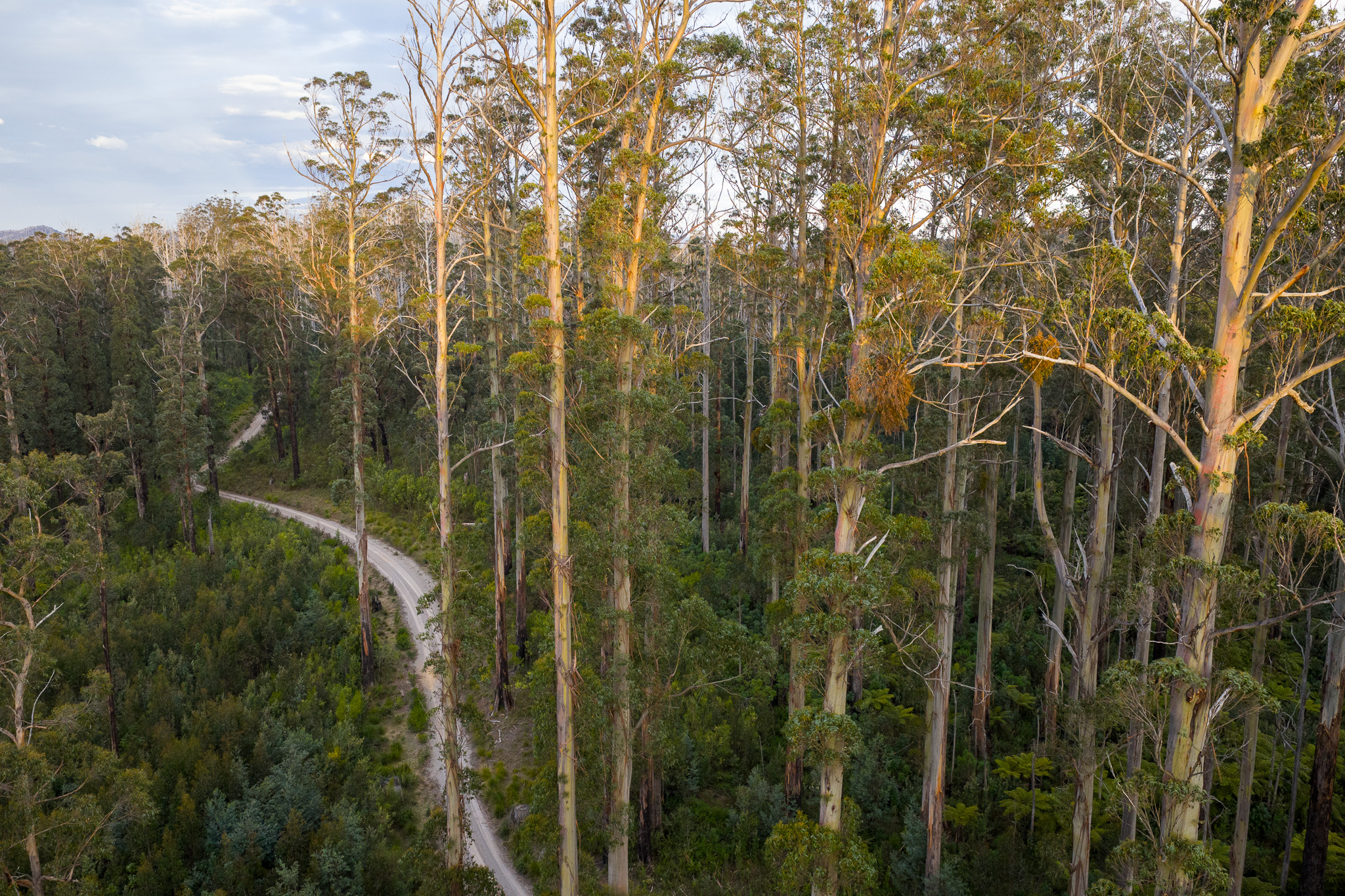
The last stands of Mountain Ash in East Gippsland — already hammered by Black Summer, adapted to rare, stand-replacing fires a century or more apart.
-
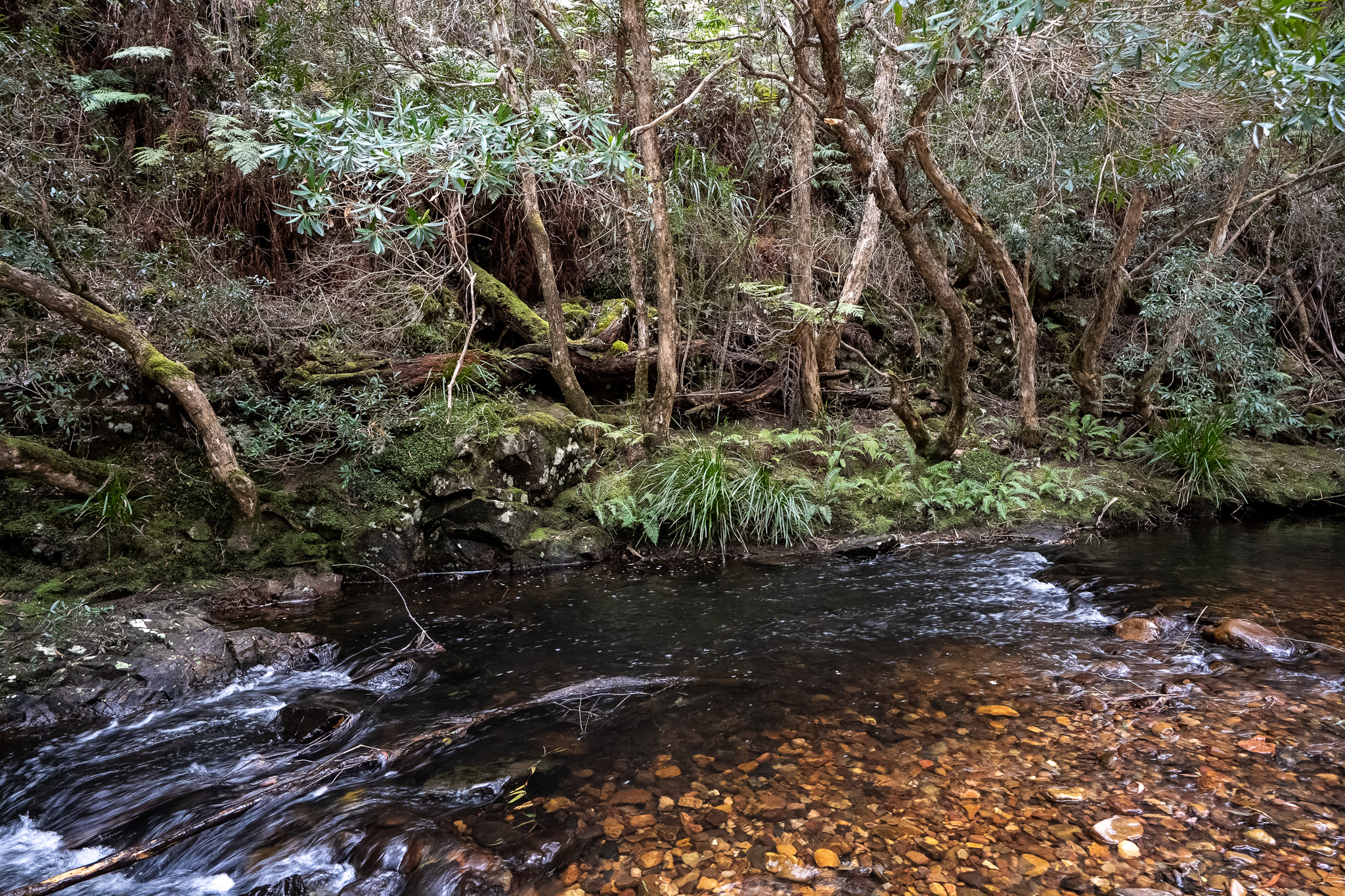
Wet forests and rainforest gullies that collapse if fire comes too often.
-
Ancient old-growth trees and high-conservation value areas that people fought to protect back in the 1980s.
- More than 2,000 verified records of threatened plant and animal species recovering from the 2019-20 fires.
These forests aren’t “fuel loads.” They are living ecosystems, and once they’re gone, they don’t bounce back.
 |
 |
 |
 |
No transparency. No science. Just targets.
Despite recent changes to the Bushfire Management Code, there is no available information that proper on-ground surveys for threatened species are being carried out before these planned burns.
Instead of science guiding fire management, the whole system is run by hectare targets. A red polygon is drawn on a map, and thousands of hectares are ticked off to meet yearly burn quotas.
This is not precautionary. It’s reckless. And it’s happening in East Gippsland at this massive scale because the forests are remote, far away from scrutiny.
The frog sites: incompetence or disregard?
To understand how broken this system is, you only need to look at one site in Errinundra.
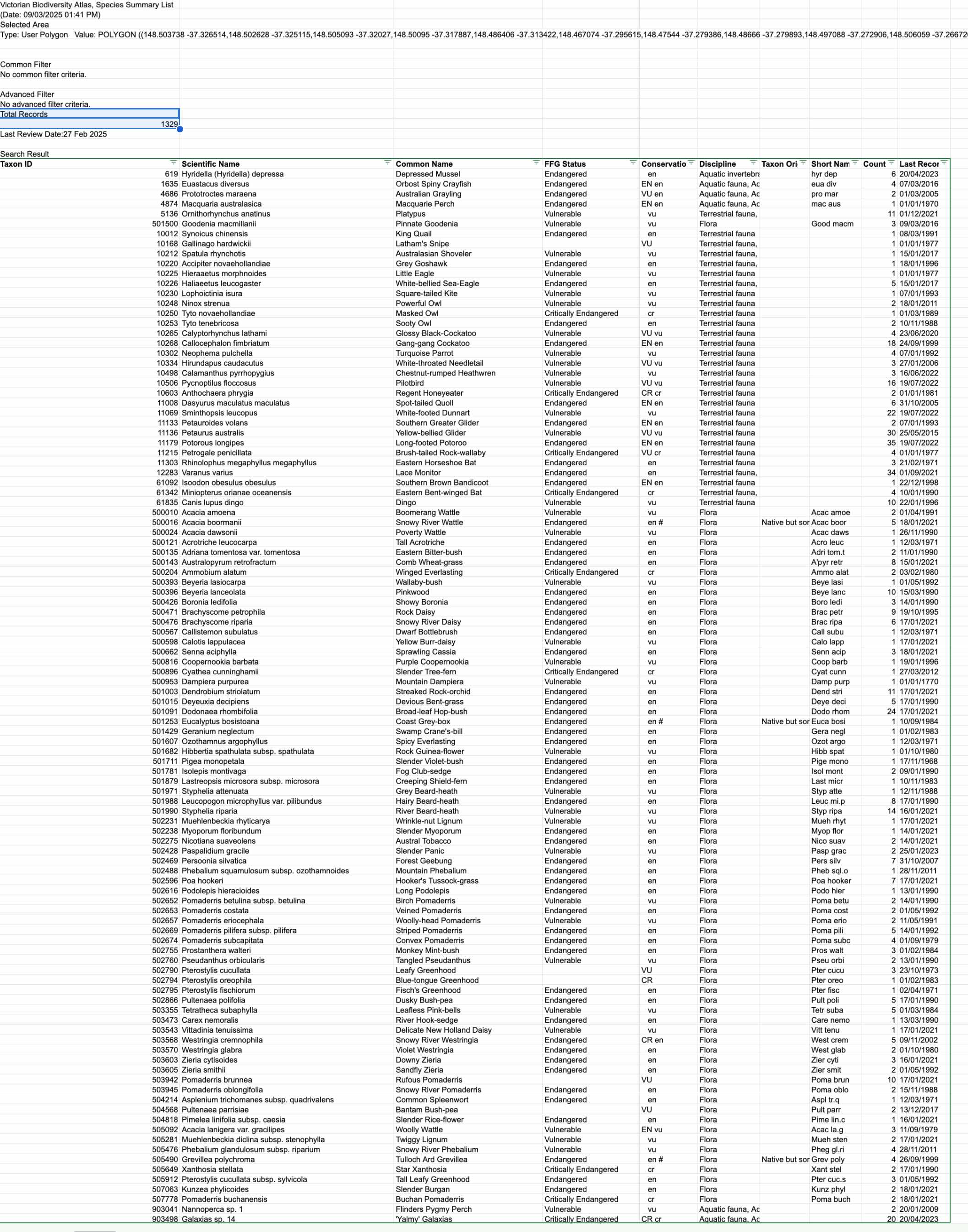
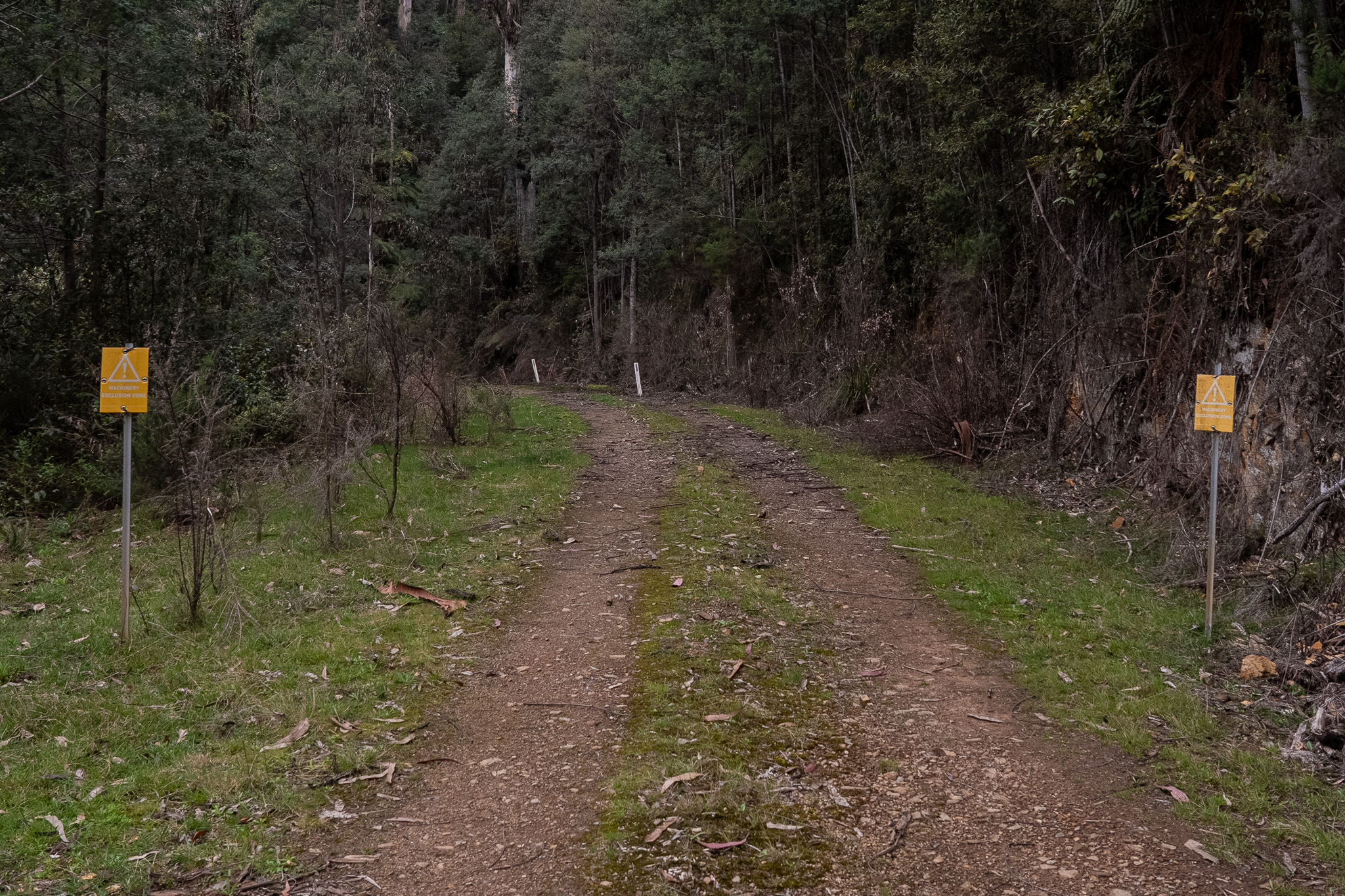
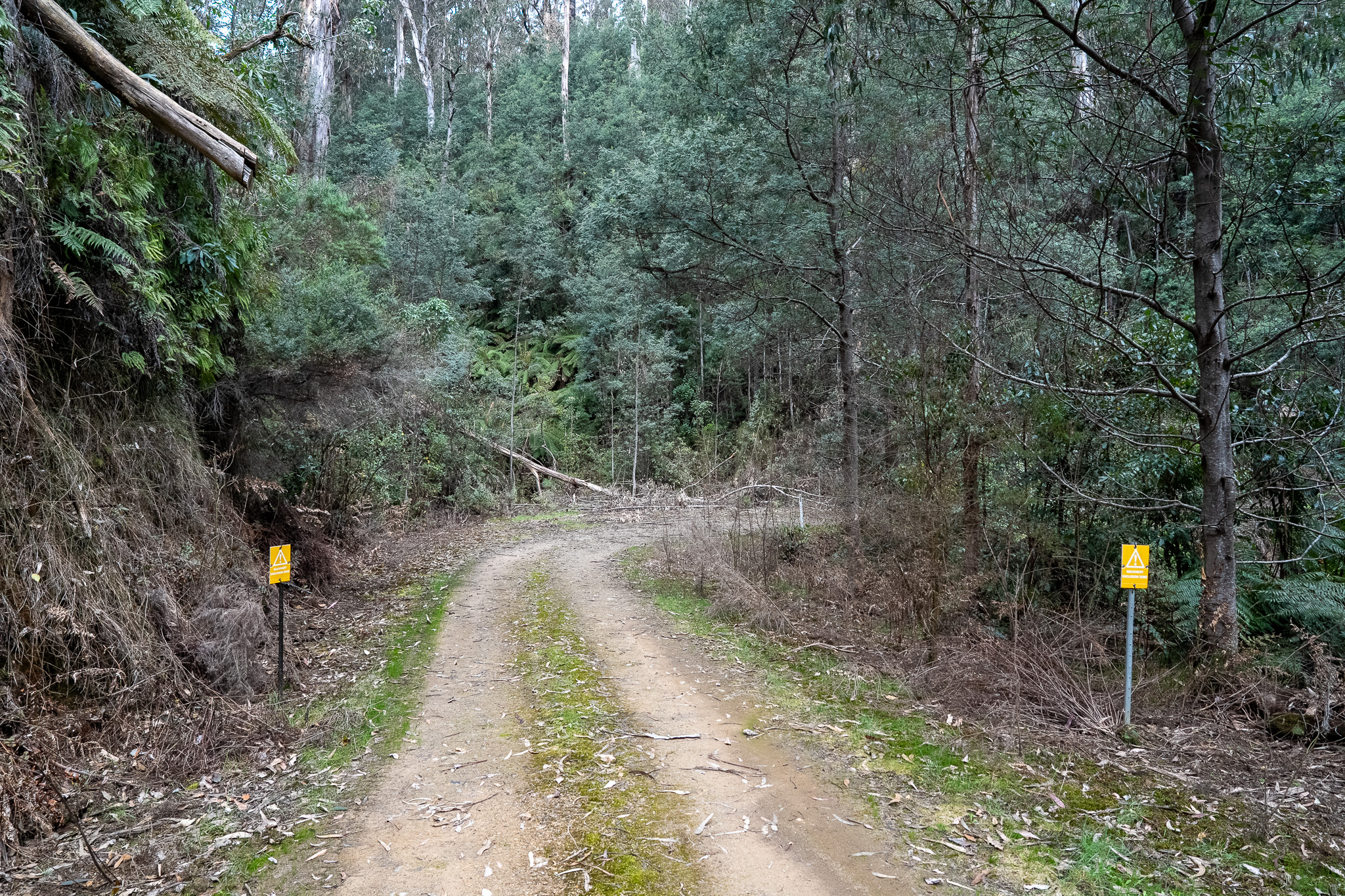
GECO documented endangered Watson’s Tree Frog breeding sites marked with clear exclusion signs at both ends: “machinery exclusion zone.”
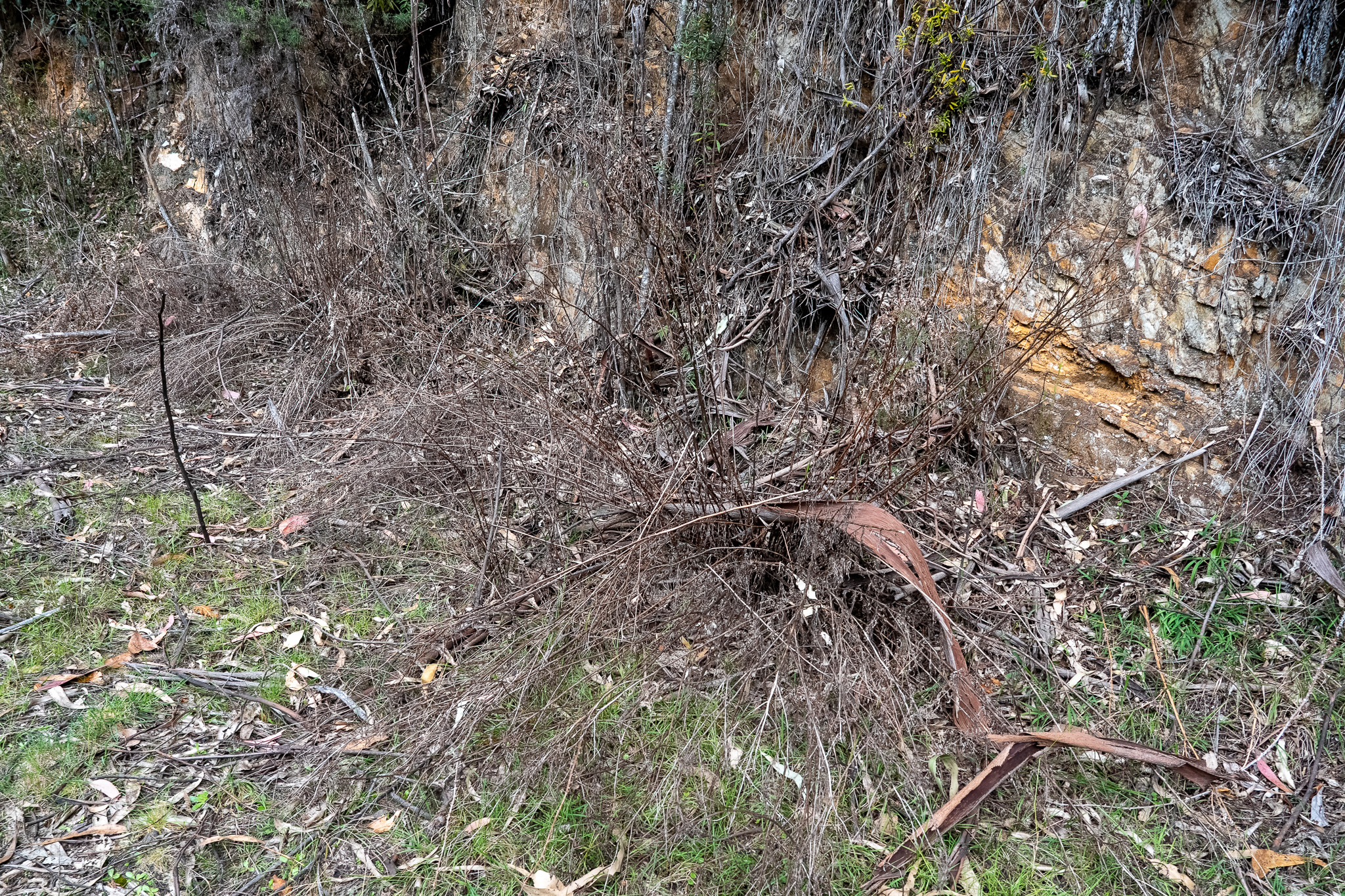
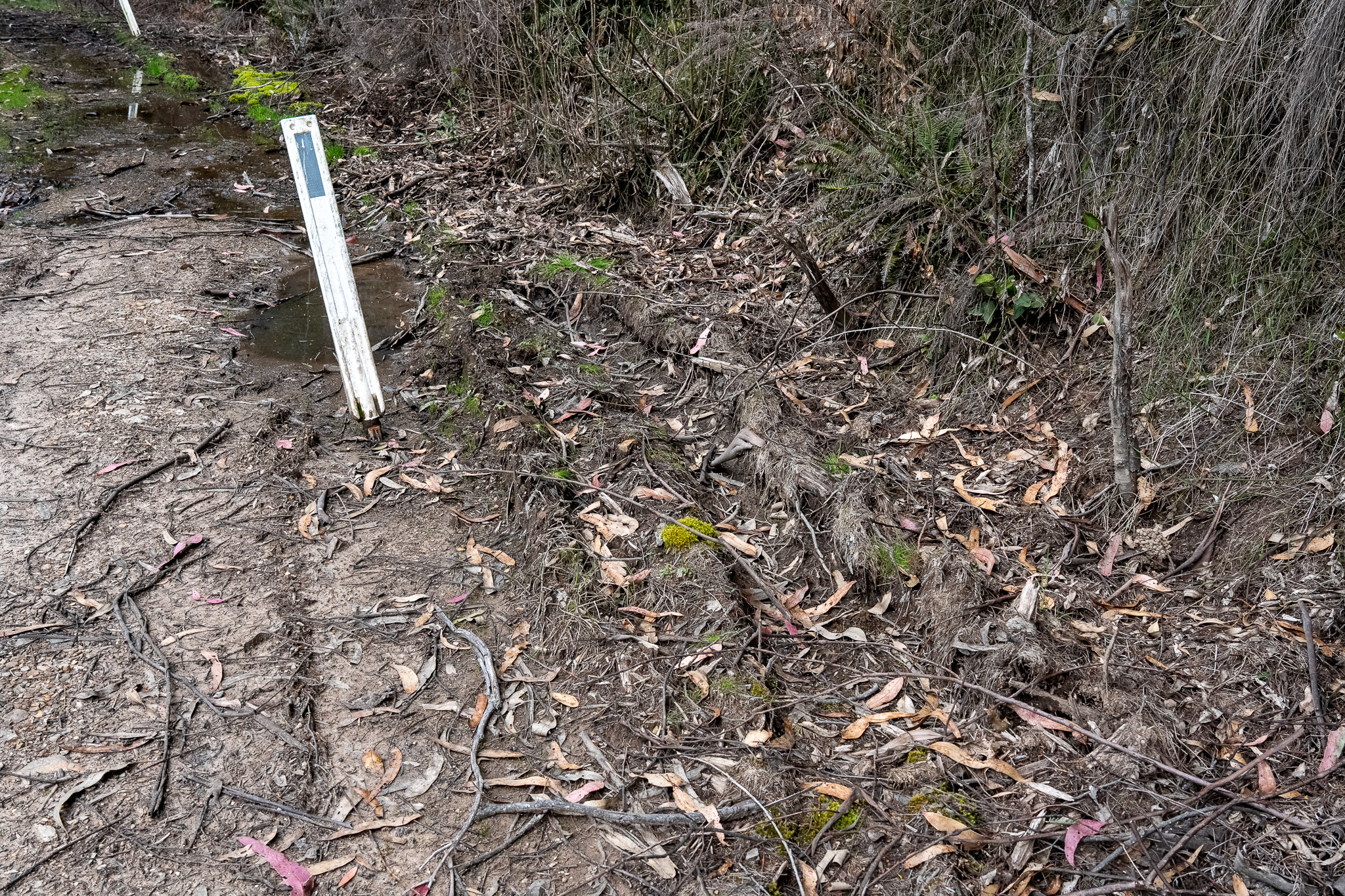
The signs are still there, obvious to anyone who looks. And yet machinery was driven through. Herbicide was sprayed over the habitat.
That leaves two options: either FFMV are staggeringly incompetent, or they simply don’t care about the environment they are meant to manage.
We reported the damage four months ago. We filed complaints with DEECA. We escalated to the regulator. We even put it on the Minister’s desk. Still no answers.
 |
 |
 |
 |
Ground zero for accountability
Just as decades of public pressure forced the logging industry under tighter rules and eventually brought it down under its own weight, we’ll only bring accountability to fire through the same relentless scrutiny and pressure.
Planned burning is where accountability goes to die. Until now, their practices have been carried out with no oversight. They operate as a law unto themselves. Just as decades of public pressure forced the logging industry under tighter rules and eventually brought it down under its own weight, we’ll only bring accountability to fire through the same relentless scrutiny and pressure.
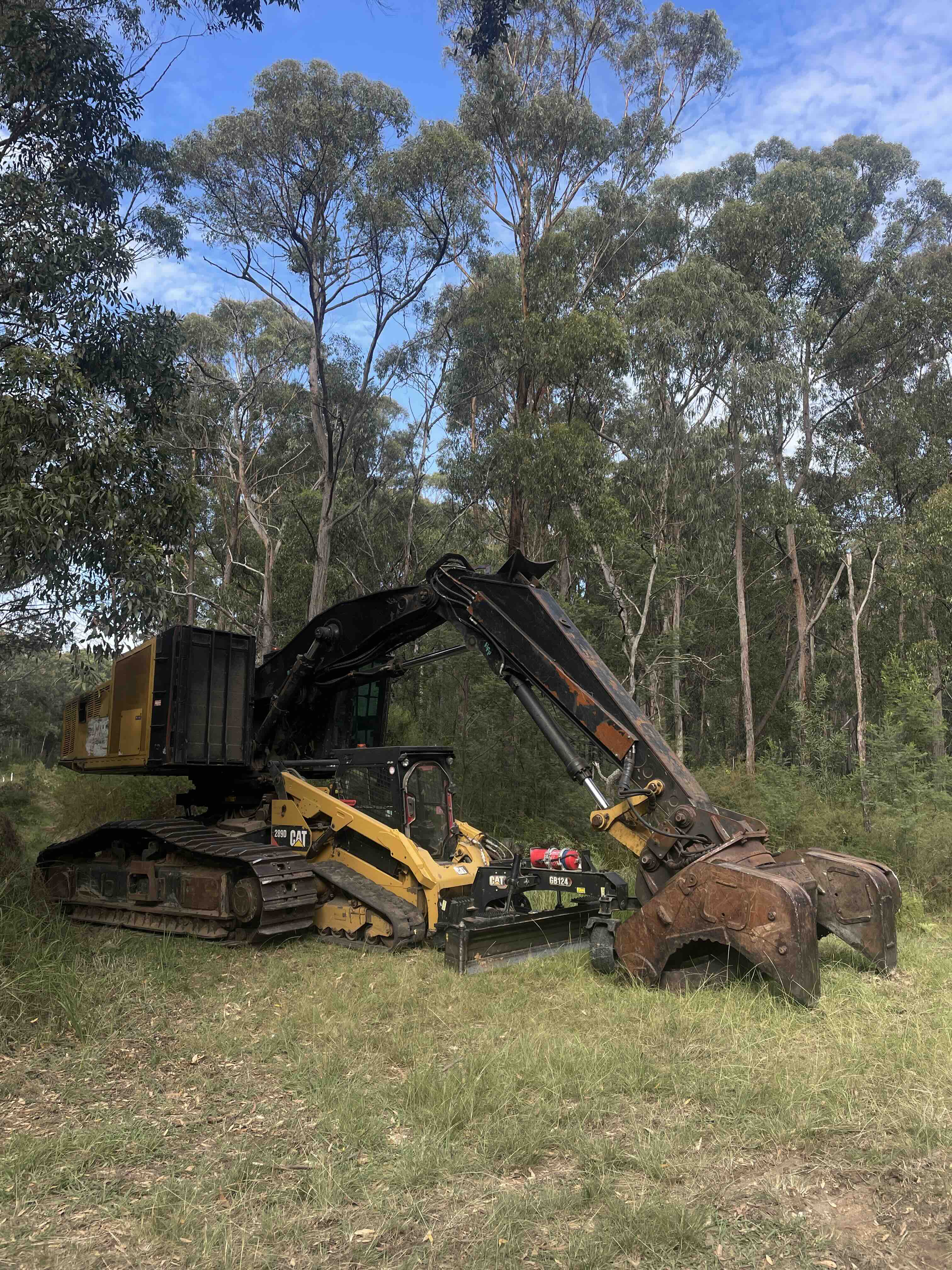
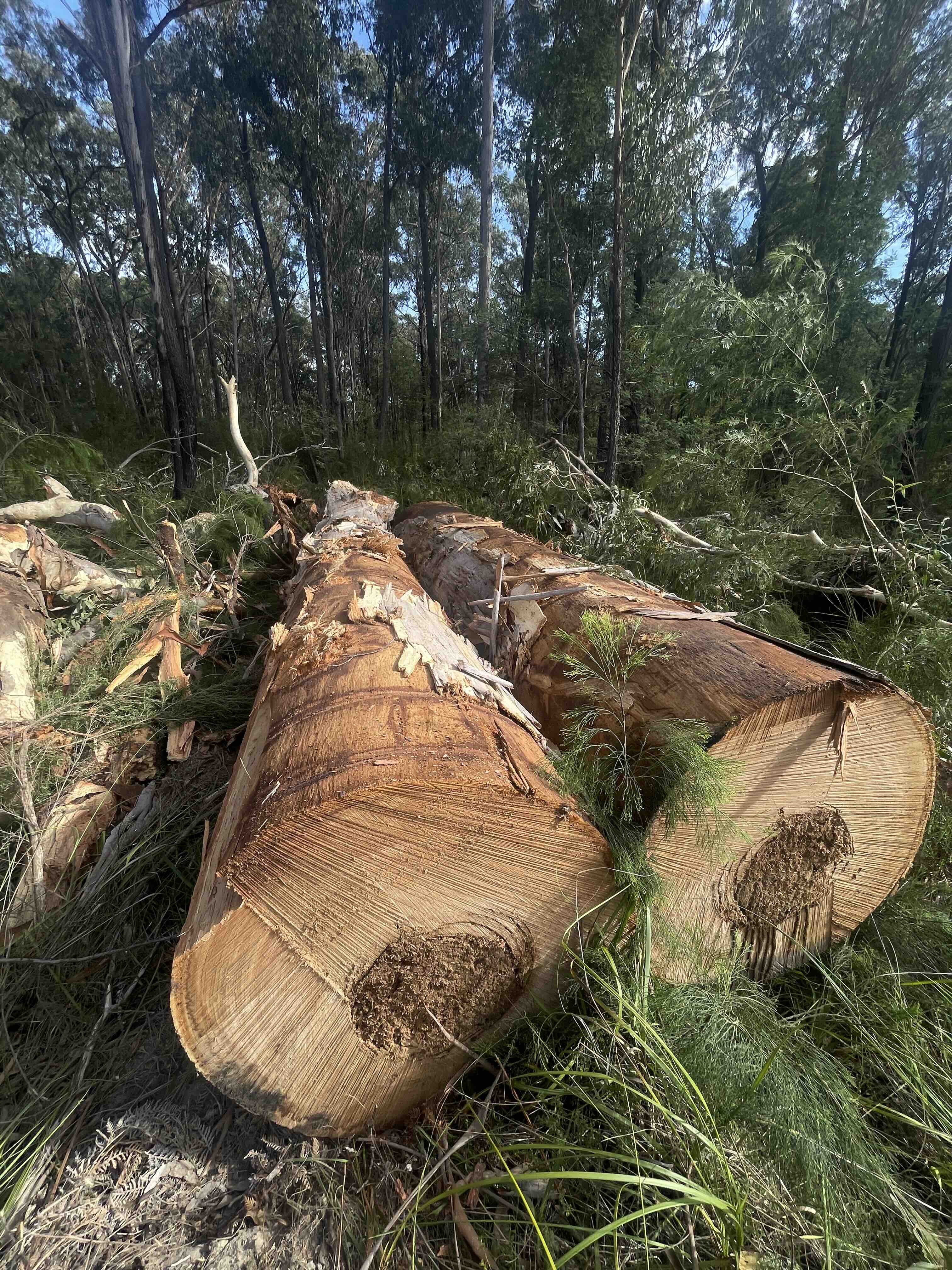
Many of the same contractors who once logged East Gippsland’s native forests are now on five-year contracts with FFMV — clearing roadsides, dropping trees (including habitat trees), and cashing big cheques to fuel the burn machine.
At the same time, experienced ground crews have been sacked and the biodiversity arm of the environment department has been gutted. If there were already few public servants tasked with biodiversity protection, they have now been replaced by contractors with no training in biodiversity, just instructions to cut and burn.
It’s a ticking bomb for our environment. And this time, it’s happening not just in state forests but deep inside our hard-fought for national parks.
 |
 |
Why GECO is here — and why we need you
East Gippsland holds 1.2 million hectares of public forest — more than double the Central Highlands near Melbourne. But unlike the Central Highlands, these forests are remote. Few people live here. Few people are watching.
That’s why GECO exists: to keep watch in the forest and call out what’s happening where no one else is looking. And it’s working—because people are backing it in. Field reports, supporter emails and online pressure are forcing this onto the agenda. Thanks to that combined push, DEECA—under pressure from the Minister’s office—has already held internal meetings about the endangered frog site damage. They wouldn’t be talking about it otherwise. It all adds up, and it all matters.
Unfortunately, oversight doesn’t come from the top. It only happens because we are out there monitoring, documenting, and making noise.
Clearfell logging might be over, but the burning industry is out of control. If they can’t respect a frog site that’s signposted at both ends, how can we trust them with 1.2 million hectares of forests?
That’s why we need to step up. GECO needs more monthly donors to keep us in the forest reporting back with photos, drone footage, and evidence that can’t be ignored.
👉 Can you chip in from just $10/month and become part of the team?
Together we’ve stopped clearfell logging. Now we must bring accountability to the burning industry.