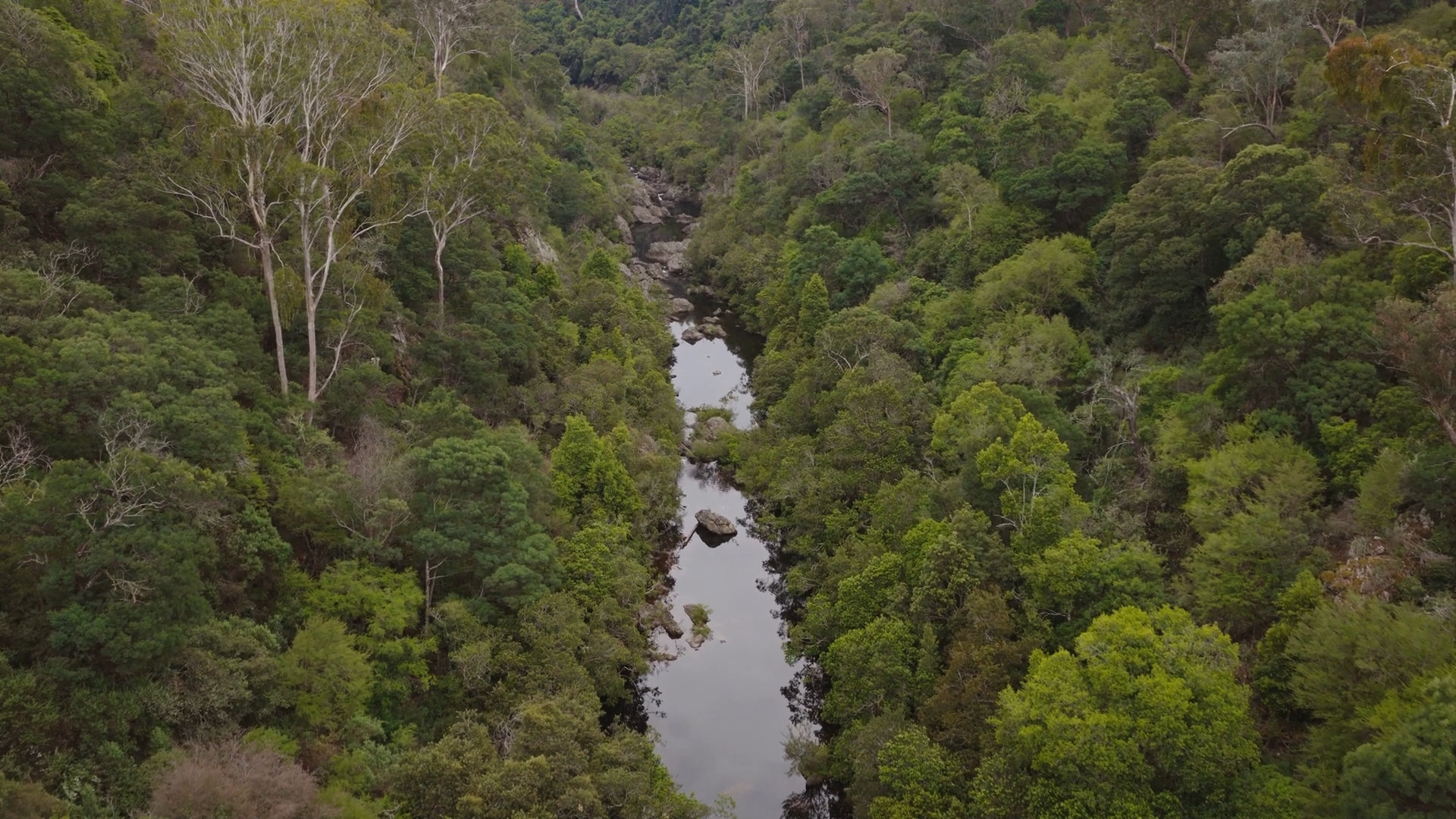
And just like that, 2025 draws to a close.
For forests in East Gippsland, it’s been a year of mixed signals but a clear direction from the Victorian Government: environmental protection has slipped further down the priority list. While native forest logging is officially over, the systems, loopholes, and culture that enabled decades of destruction remain firmly in place.
At the same time, something else has been building. Community organising. Independent scrutiny. And new partnerships that point to a different future for forests and for the region.
Here’s our take on the year that was, framed as three firm Noes and two important Yeses.
A cautious maybe: Are RFAs finally on the way out?
We started the year with the end of Regional Forest Agreements in Victoria, a legal instrument that for decades gave native forest logging a free pass by exempting it from national environment laws.
We end the year with cautious optimism that recent EPBC reforms may, within 18 months, finally remove those exemptions across Australia. If this happens, the logging industry would be treated like any other industry, subject to proper scrutiny and environmental standards. No more special privileges.
But caution is essential. Federal and state ministers, including those responsible for forestry portfolios, have already been floating new bilateral arrangements with logging states. We’ve seen too many backroom deals before to assume this will land the right way without pressure.
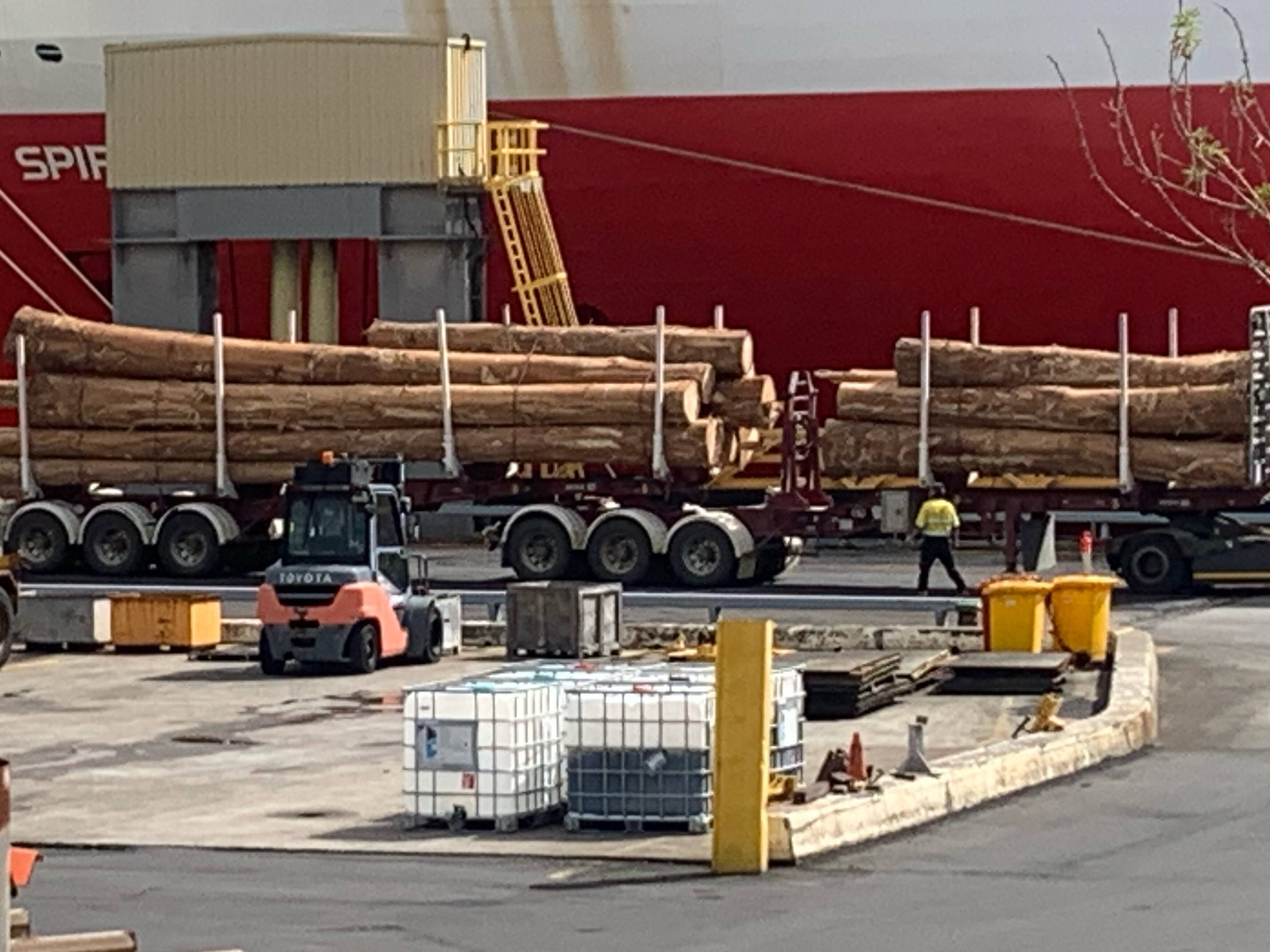
If the exemptions do fall, it will also shine an uncomfortable light on what has happened since logging was meant to end in Victoria. Tens of millions of dollars from the Forestry Transition Fund were handed out to support change. Instead, we continue to see timber processors importing logs from Tasmania and NSW, reportedly several days a week, while claiming transition support. This double dipping was flagged early by GECO and remains unresolved.
It's a No: Broken promises and another taskforce going nowhere
Six years ago, the Victorian Government committed to ending native forest logging and delivering the largest expansion of the reserve system in the state’s history. That core promise remains unfulfilled.
This year’s Great Outdoors Taskforce was meant to chart a new era for public land management. GECO, alongside many other forest groups, engaged in good faith. We argued clearly that logging loopholes must be closed and protections locked in to prevent future reversals. We also submitted a detailed proposal for reserve expansion in Eastern Victoria.
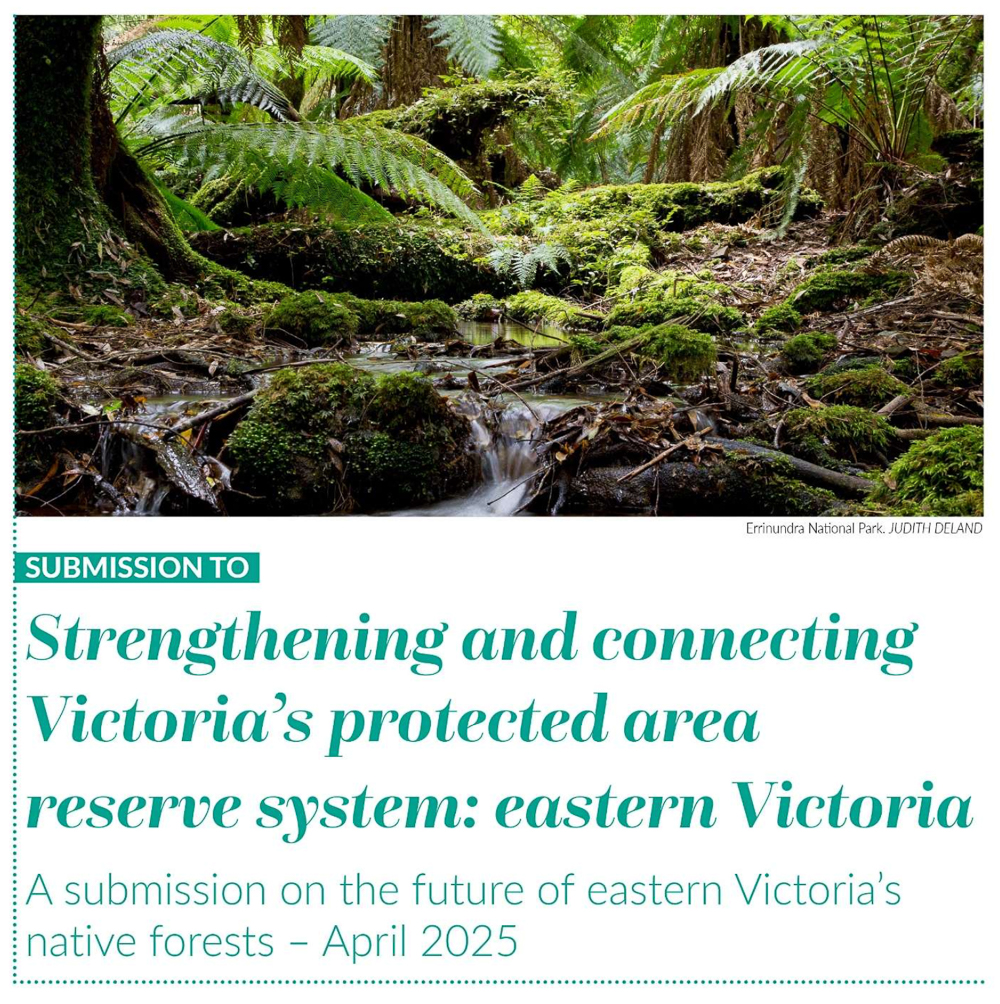
The Taskforce panel, chaired by former Labor environment minister Lisa Neville, delivered its report mid year. By then, expectations had already been quietly downgraded. The panel made no recommendations for new parks or major tenure change, after backflipping months earlier on its original scope.
One of the few useful recommendations was to legislate a logging ban. Even that proved too much. The Allan Government’s response, led by Premier Jacinta Allan and Minister Steve Dimopoulos, failed to commit. Instead, we were offered a vague and undefined “Healthy Forests Plan” in Orbost and Noojee. Likely another dragged out consultation process. Some routine maintenance funding. And silence on locking in protections.
This is not leadership. It’s delay, dressed up as action.
It's a No: When the government causes the damage – endangered frog sites destroyed
In April, GECO uncovered a disturbing case of government failure as land manager.
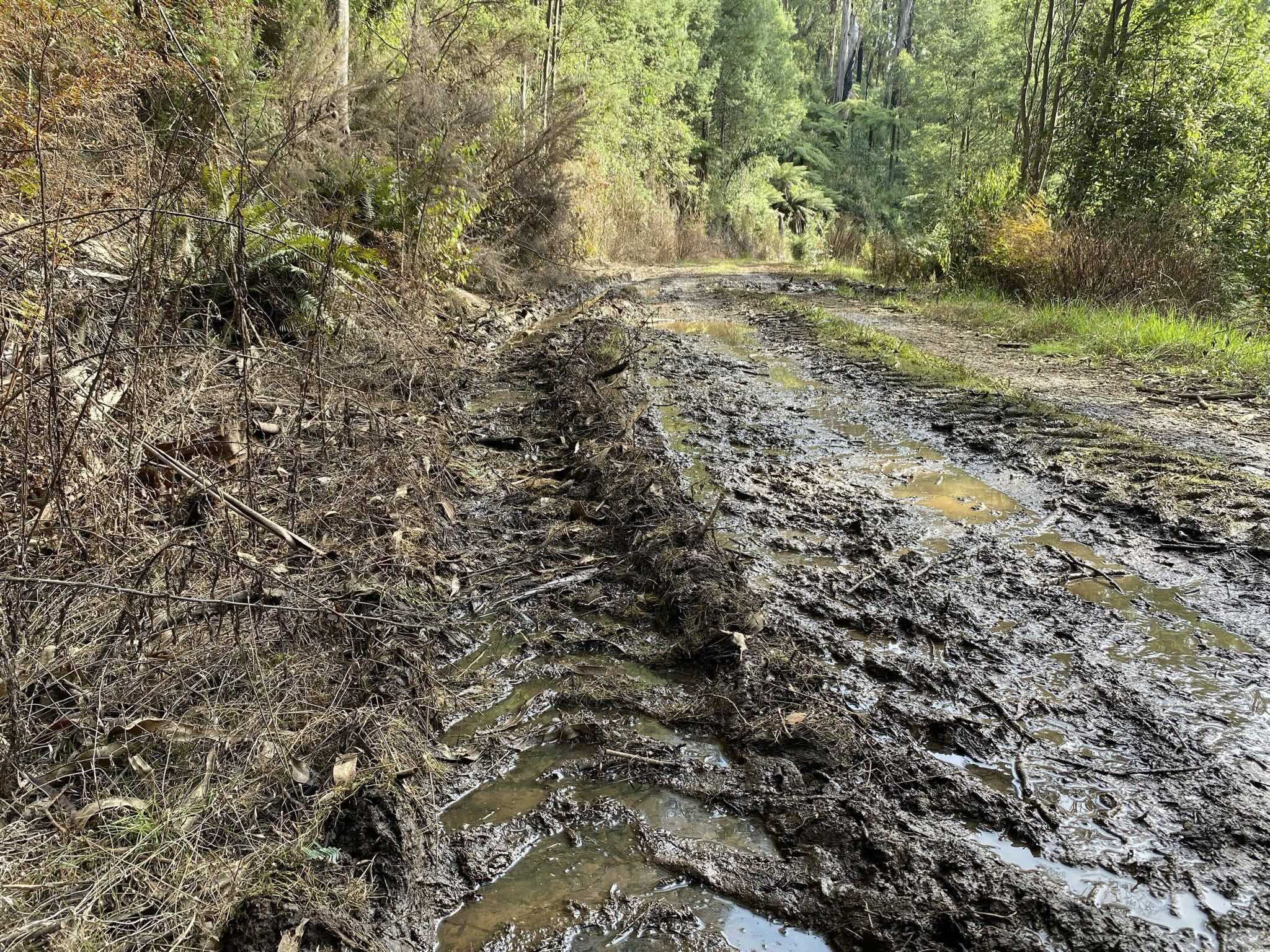
During routine roadside works in Errinundra National Park, DEECA staff or contractors sprayed herbicide and drove heavy machinery directly through mapped and well signposted breeding sites of Litoria watsoni, an endangered frog species.
Emails went unanswered for months. Accountability was avoided. Eventually after much insistence from GECO, Forest Fire Management Victoria acknowledged responsibility. The response was familiar: assurances about improved procedures, no meaningful consequences, and no transparency about how this could have happened in the first place.
This wasn’t an accident in the bush. It was a failure of systems, training, and priorities. And it raises serious questions about the government’s capacity to protect biodiversity at a time when those systems are being hollowed out rather than strengthened.
It's a No: Sixty thousand hectares burned in the Snowy National Park
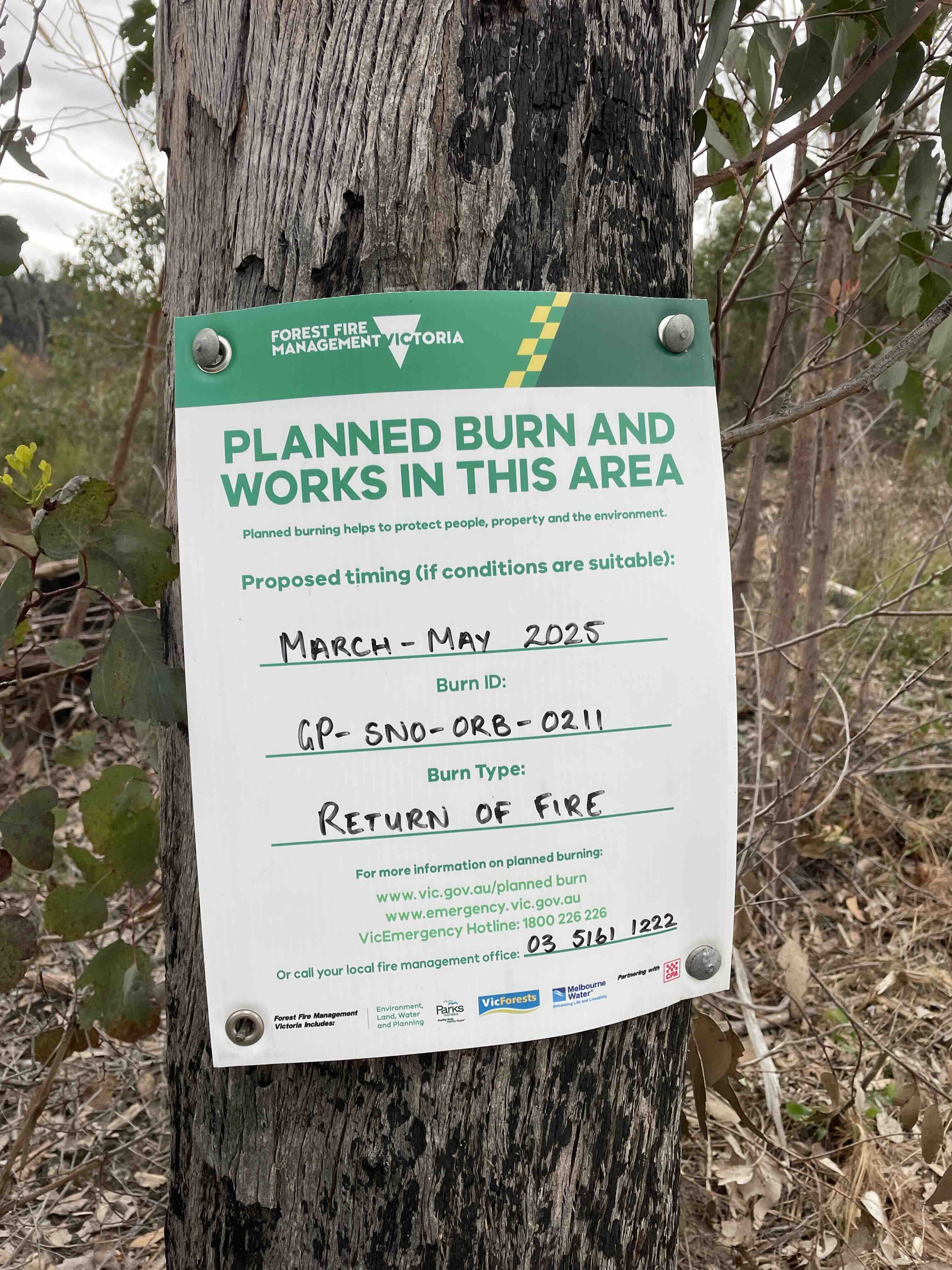
Later this year we also documented the risks of more than 60,000 hectares of two planned burns in the Snowy National Park.
On the ground, we saw wet gullies, giant trees, and some of the last remaining stands of mountain ash in East Gippsland within these burns footprint. These are ecosystems that are not adapted to frequent fire. Some tolerate fire only once in a century, if at all. This area was burned on the 2019-20 devastating Summer bushfires.
Yet the signs at the roadside spoke of the “return of fire”.
The scale and placement of these burns reflect a worrying shift away from conservation and towards a one size fits all approach driven by hectare targets and lack of transparent information or scientific evidence. Forest Fire Management Victoria now appears more closed and less accountable than VicForests ever was. That is saying something.
It's a No: Handing National Parks to the gun lobby
This year also marked a disturbing shift in how the Victorian Government treats national parks and protected areas.
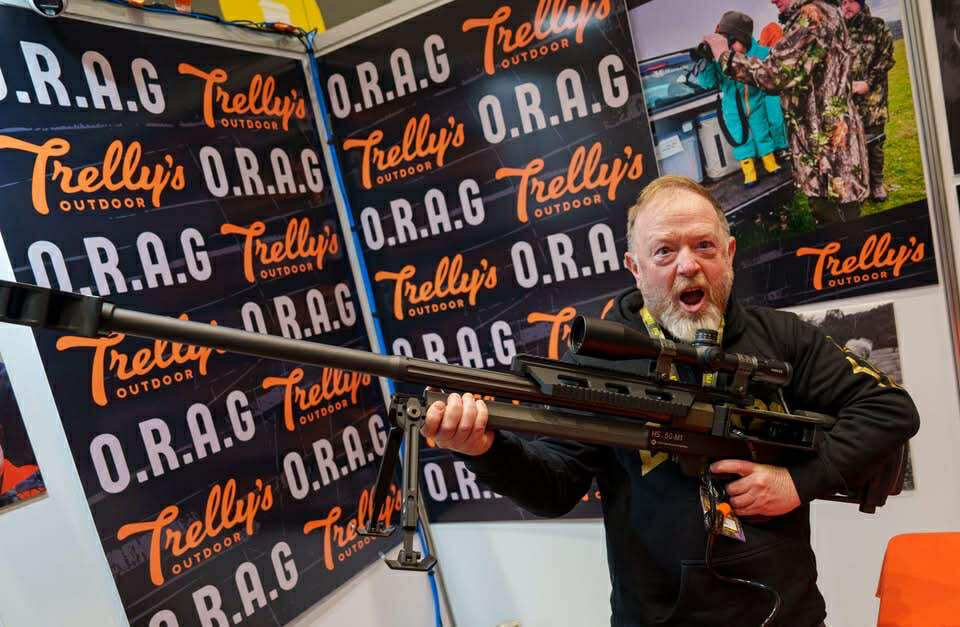
Under pressure from the gun lobby, the Allan Government moved to expand deer hunting access into some of Victoria’s most iconic and ecologically sensitive national parks, including Errinundra and the Snowy River National Park. Places set aside for conservation, cultural values, and public enjoyment are now being opened up to recreational shooting.
This decision flies in the face of ecological evidence and basic safety concerns. Deer are a major driver of environmental damage across East Gippsland, trampling wetlands, destroying understorey, and degrading frog habitat and waterways. Yet instead of investing in science based control programs, the government has chosen to appease a vocal minority.
Opening national parks to recreational hunting also changes the nature of these places. It deters visitors, undermines the sense of safety in the bush, and further shifts public land management away from biodiversity protection and towards narrow, politically convenient uses.
That Errinundra and the Snowy are being treated this way, at the same time as endangered species sites are damaged and vast areas are burned, tells a clear story about where conservation now sits in government priorities.
It's a Yes: Emerald Link and the Nowa Nowa School project
Despite all this, there have been genuine reasons for hope.
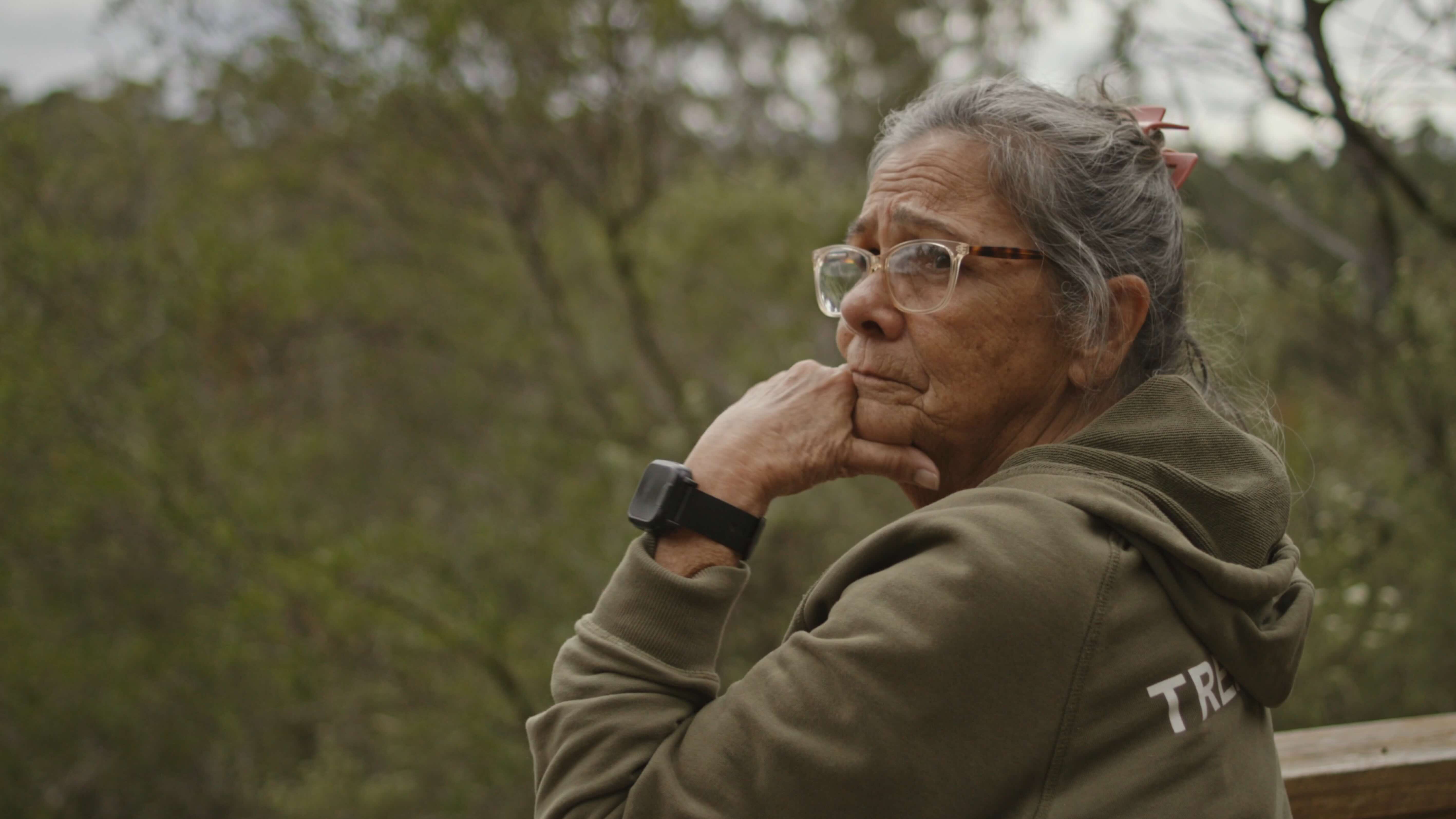
Through Emerald Link and an evolving partnership with Marjorie Thorpe, new conversations are taking shape about forest management and regional futures that put Country, culture, and community first.
One of the most exciting outcomes this year is the Nowa Nowa School project. Led by Marjorie Thorpe, and supported in principle by the Nowa Nowa Community Development Group, GLaWAC, and Victoria University’s Indigenous Academic Unit, the project aims to revitalise the former school as a cultural and environmental centre.
The vision is to create a place for learning from Country, for preserving and sharing stories, and for building real employment pathways in land management and restoration for young people. It’s grounded in First Nations leadership, community partnership, and a long term view of care for Country. We're very excited about this one, so as they say: watch this space!
Alongside this, Emerald Link has worked with the Wilderness Society to refresh its website and produce a new film showcasing people, ideas, and opportunities across the region. It’s a reminder that positive, locally led futures are not only possible, they’re already being built. Have a peek of Emerald Link's new website and film!
It's a Yes: Our supporters, and the work ahead
Finally, a yes to the people who make this work possible: You!
It has been a big year for GECO and the forests. As the direct threats of industrial logging recede, the work has not become easier, just different. With biodiversity staff being dismantled inside DEECA, and Forest Fire Management Victoria lack of transparency and accountability, independent monitoring, scouting, and public reporting are more important than ever.
Roadside works done now by former VicForests contractors, planned burns, and policy backsliding all require eyes on the ground and sustained pressure.
In 2026, Victoria heads to a state election. If forests and communities are going to be at the centre of that conversation, it will be because people like you help make it so.
If you’re able, please consider making a donation to support GECO’s work. Your contribution helps us get out into the forest, document what’s happening, and hold decision makers to account.
Thanks for standing with us this year, and for being part of what comes next.
 |
 |